Showing posts with label custom app development.. Show all posts

The Complete Guide to Custom Software Development System Life Cycle Model


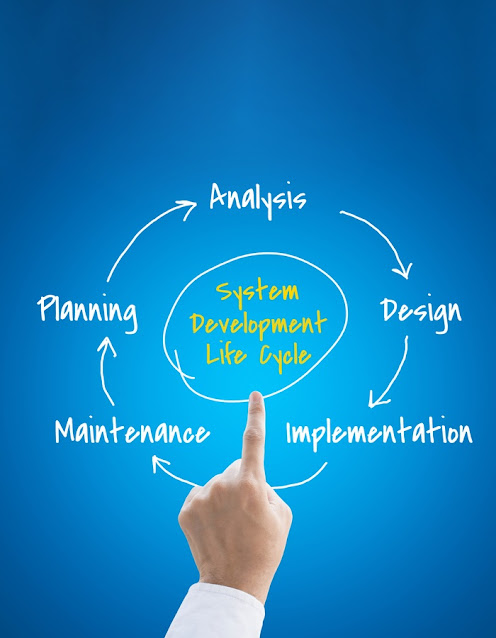
Custom Software Development System Life Cycle

The software development life cycle (SDLC) is the process of developing and maintaining a software product. This process can include multiple stages such as requirements analysis, design, implementation, testing, and deployment.

The SDLC has five phases: analysis phase, requirements phase, design phase, implementation phase, and test phase. Depending on the type of project these phases may not always be necessary or integrated into a single phase. For example, in the case of an incremental release with no maintenance required for a software product these phases may be combined into just one or two phases.

The requirements for custom software development are many. The software must be able to maintain data integrity, be easy to understand and intuitive, provide security, and more.

Custom software development is an exhausting process with long hours. But it is worth it in the end because you get what you want - a custom piece of code that will work exactly how you need it to.

Custom software development is the process of developing or customizing software systems to match the requirements of specific end-users.

The life cycle can be broken down into 4 phases: design, coding, testing, and deployment. For each phase, there are different activities that need to be done.

The design phase is the first part of the software development process where you figure out what needs to be done with your system. You create a conceptual design based on user needs and business requirements.

The coding phase is about turning your design into code that can run on a computer system. This includes writing code for individual modules of your application, connecting different modules together, debugging code errors, and deploying it on a server for use by others or users of your application

Custom software development is the process of developing software that meets the specific needs of a given client.

The life cycle of custom software development can be seen in four stages - Analysis, Design, Development, and Deployment.

Analysis refers to the evaluation of needs and the activities involved in gathering information on these needs. Design is the stage where designing new systems or modifying existing ones are done according to gathered information at the analysis stage. Development is where coding takes place for functionalities described in the design stage. Deployment means the deployment of developed systems or subsystems into the production environment for use by end-users.


Custom Software Development Definition 

Custom software development is the process of creating software that is not off-the-shelf. It can be developed for a specific business need, or to meet the needs of a particular customer.

Custom software development has many advantages over off-the-shelf software. The main advantage is that it can be tailored to suit your specific needs, which means it can be much more efficient and more effective than an off-the-shelf solution.

The initial stage of the custom software development system life cycle is planned. It includes tasks such as establishing Goals and Objectives as well as determining the feasibility of project Goals. The next stage is a design which includes tasks such as designing architecture, writing specifications, creating mockups, developing prototypes, and identifying risks that need to be mitigated. The next stage is coding which includes tasks such as designing code and implementing the design into code.

Custom Software is also known as custom-made or tailor-made software. It is developed to satisfy unique business needs. It is a process of building customized software or bespoke software for digital solutions. Custom Software Development is designing a software application for a specific group of customers within the organization. Such custom software is designed to address their needs precisely as opposed to the more traditional and widespread off-the-shelf software. Such software is typically created just for that specific entity by a third-party by contract or in-house team of developers and is not packaged for reselling.

Custom software development differs from the software packages developed for the mass market, such as existing free software and commercial off-the-shelf software. Unlike traditional software products, custom ones are designed to accurately meet the needs of the target customers or organization requirements.

System Life Cycle 

Custom software must go through a software development process that includes discovery, strategy, design, analysis, development, maintenance, planning, analysis, and Implementation. The best developers use an iterative process to explore ideas, get feedback, and incrementally release new features and functionality. This process can range from a couple of months to years, depending on the size and scope of the software development project. Software development can be a significant investment with lots of risks, so a good process will help mitigate risk and launch a successful product.

If your organization has an in-house IT department with the appropriate capabilities and bandwidth, then you can build the software internally. Otherwise, you’ll need to hire a custom software developer to partner with you to create the custom software project. Also, in many cases, there is a mix of internal and external team members that work together to build good custom software development service outcomes.

Planning and Analysis Creates Good  Custom Software Outcomes


A winning client software project is one that delivers an answer to objectives on time. That needs good design from the beginning of the thought life of the project. Work along with your custom package developer and keep centered on your key objectives. This will make sure that you receive a custom software solution that meets your business wants and provides you with an honest come back on your investment.

Why Mobile User Experience UI/UX Design Matters

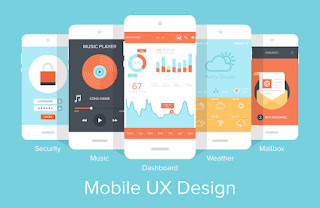
Mobile User Experience UI/UX Design Why It Matters

When designing a digital presence, whether it is a website or a mobile app, attractive graphics and engaging content are not the only things that matter. One aspect of the web and app design that many designers still overlook is the need for good user experience design. But, what exactly is user experience design (UX Design), and why does it matter so much? Here’s why every business must think about the user experience when they design websites and apps.
Importance of User Experience UI/UX Design

What User Experience Design Is

User experience design is often used to describe the usability of an application or the user interface. The true meaning of UX design, though, goes far beyond that. UX design encompasses the entire process of software design and development. It includes branding, functionality, design, integration, and usability. UX designers look beyond simply creating usable products. They also consider the user’s pleasure and enjoyment in acquiring and using the product. UX design is the process of creating applications that are relevant and meaningful. Applications that users want to use. So, how can UX design benefit a business?

UX Design Encourages Use Interaction

Creating content is not enough. You need to create content that people will want to interact with. That includes written content, images, advertisements and calls to action. UX design includes techniques that encourage user interaction. These techniques include producing content that will appeal to the target audience. It also includes personalization features, such as “You may also like” types of functions. A UX designer will also be looking at consistency throughout an app or site. Software that is predictable and comfortable to use is software that people will want to use. 

UX Design Generates Loyalty

UX design creates customer loyalty through great experiences. An easy to use app or website backed by great service will encourage a user to use the then again. To do this, a UX designer will create a customer journey map (CJM). This maps a user’s entire journey through the site or app. This journey will be thoroughly tested to ensure that a user’s interaction with the product is as smooth and trouble-free as possible. It’s putting the design team in the shoes of the user. 

UX Design Generates Recommendations

The good UX design encourages word of mouth recommendations. The ease of use of a well-designed site or application and the usefulness of it will encourage people to tell others about the product. A part of UX design is to make sharing easy. A free recommendation from a user is far more powerful than a paid-for advertisement.

UX Design Reduces Development Costs

UX design keeps a project within budget and reduces development costs. UX design includes extensive user research, prototyping, and usability testing. This ensures that development time is targeted on the areas of functionality that matter. This focused approach means better initial design specs, less risk of feature creep, and more relevant content. It greatly recuses the need for last-minute redesigns and enhancements.

UX Design Reduces Internal Costs

UX design is end-user focussed from the outset. That concentrates design and development effort on what users want, not on what developers think they want. As well as saving money on development costs, UX design stops businesses from wasting internal resources. For example, UX design will help identify the products that people want. This would allow sales and marketing efforts to be focussed on profitable products, rather than the less profitable ones. It also reduces support costs by reducing the need for manual intervention.

UX Design Increases Profits

UX design can have a direct impact on the bottom line. It has been proven that 75% of people judge an app or website on its aesthetic design.  People are more likely to buy from a well-designed website or app than they are from an unappealing one.
The easier a site or app is to use; the more people will use it. That is true for the entire journey that a user takes through the app or website. From how fast the screens and pages load, to how easy it is to sign up for an account and place an order. If all the steps are easy, a user is more likely to progress to the final step of making a purchase or completing a desired action.
UX design seeks to reduce the number of user interactions to a minimum. It also guides the user through processes with clear calls to action. The overall effect of UX design is increased revenues, reduced costs, and improved customer satisfaction.
Historically, websites and mobile apps have been developed with the needs of the business in mind. UX design is reversing that trend and putting the needs of the user first. Consumers are becoming more and more experience-driven. Global online spending is increasing at a phenomenal rate. Businesses that don’t adopt UX design principals may soon find themselves trailing far behind the competition that does. Benefits of the web-based system.


Docker Container-based Custom Application Management - what business leaders should know

Docker Containers Business Leaders Need to Know

Docker Containers have become an essential element in modern, high-performance IT operations practices — particularly in the cloud computing era. This article defines what containers are and why they are important to your business, whether you are responsible for just managing a single server or running IT operations at scale.

Docker Containers Background
IT operations are responsible for managing and maintaining an efficient and reliable computing infrastructure that supports the range of computing tasks performed by a business. These tasks are facilitated through enterprise resource planning applications that support Human Resources, Finance, Customer Relationship Management, Project Management, Operations Management and Workflow, Logistics, Reporting and Analytics, and more. While these applications differ in function all share a common dependence on efficient, reliable, and responsive computing resources. These resources include an operating system, processor, RAM, storage and networking elements. Historically, these individual elements were organized and managed as physical server units, then virtual machines with the advent of virtualization technology.
Virtual Machines improved overall computing resources and IT operations efficiency through increased sharing of physical hosts and host files and libraries. This reduction in physical servers and increased utilization of host files and libraries led to a reduction in Capital and Operations Expenditure, and improvements in Developer and Customer Experience. 
Containers extend the efficiency trajectory of Virtual machines by allowing apps to run in a dramatically simplified and light-weight environment compared to physical servers and virtual machines. Containers disassociate dedicated application dependencies from shareable OS elements. These shareable elements are abstracted and packaged as single-instance, shareable resources that further improve resource utilization. 

Containers and Docker

Containers were introduced as an extension of the Linux Operating System in 2001. They are an evolution and formalization of namespace isolation and resource governance techniques used in pre-Linux Operating Systems such as Solaris Zones, Unix chroot and BSD Jails. The Docker Container specification presented a common packaging model, test and deployment model that dramatically simplified containerization and application deployment on Linux hosts. The specification was realized as Docker images that contained shared host and VM files and libraries. This evolution led to further improvement in computing resource utilization — maximizing resource sharing by eliminating VM-related overhead — and significant improvement in IT operations and application management. The result is further improvement in Capital Expenditure, Operations Expenditure, and Customer Experience. 
The benefits of Docker Containers were introduced to Windows hosting environments with Windows Server 2016. To support this initiative, Microsoft established a partnership with Docker to extend the Docker API and toolset to support containers operating on Windows Server hosts. The Microsoft extensions permit the same Docker client to manage both Linux and Windows Server containers — extending Docker utility for Windows Server while preserving the DevOps efficiencies and user experience made possible by Docker. This initiative by Microsoft created a true win-win scenario for all parties.

Why Docker Containers are Important

Docker Containers are important for small and large IT operations. To understand this, let’s review the DevOps benefits of Docker-based containers:
  1. Application performance improvements. This is enabled through the sharing a single Operating System kernel across multiple containers. The result is more efficient and granular application packaging, which in fast container startup and because the startup package is smaller and OS components are excluded from the container startup process. 
  2. Faster Provisioning. Containers are dramatically faster to provide because they are significantly lighter-weight to build and define versus Virtual Machine images, and they are provisioned via software on pre-provisioned infrastructure. 
  3. Efficient Resource Utilization. Containers are also more efficient at resource utilization than Virtual Machines with siloed OSs and OS-based resources.
  4. Simple, high availability. This is because the containers can run on the different underlying hardware. If one host goes down, traffic can be re-routed from the Edge to live application containers running elsewhere.
  5. Smooth scaling. Containers enable smooth scaling without downtime or architectural changes. Scaling is difficult with VM-centric hosting which requires rebooting, and often rearchitecting, to resize.
  6. Configuration consistency. Every container can be exactly the same. The hosting platform is a large, resource sharing matrix. Containers are provisioned automatically on identical infrastructure managed via consistent, automated tools that minimizes server sync issues.
These are direct benefits if you are responsible for managing a large IT operation. You and your DevOps team can experience them in your day to day operations. However, these benefits also apply if you are responsible for administering a single server or even a single website. This is because best of breed hosting providers such as Azure or AWS (a) have platform economics that produces lower costs for comparable, small-to-large scale server deployments, and (b) have largely adopted containers — so by utilizing one of them you indirectly experience these benefits.

Choosing the Right Frontend Framework in 2026: What Engineering Leaders Need to Know

In the last three years alone,  front-end  frameworks have improved more than they did in the entire  previous  decade. Faster compilation t...